In the world of security, there is a dangerous phenomenon that most business owners aren’t aware of until it’s too late. It isn’t a technical glitch or a power outage; it’s a biological limitation called “Attention Decay.”
Research has shown that after just 20 minutes of watching a video monitor, the average human operator misses up to 95% of screen activity. By the time an hour has passed, the monitors might as well be turned off.
The Biological Reality
Humans are naturally wired to notice movement and change, but we are poorly adapted for long-term vigilance in a static environment. When a security guard sits in front of a wall of 16, 32, or 64 camera feeds, the brain begins to “filter out” the video as background noise.
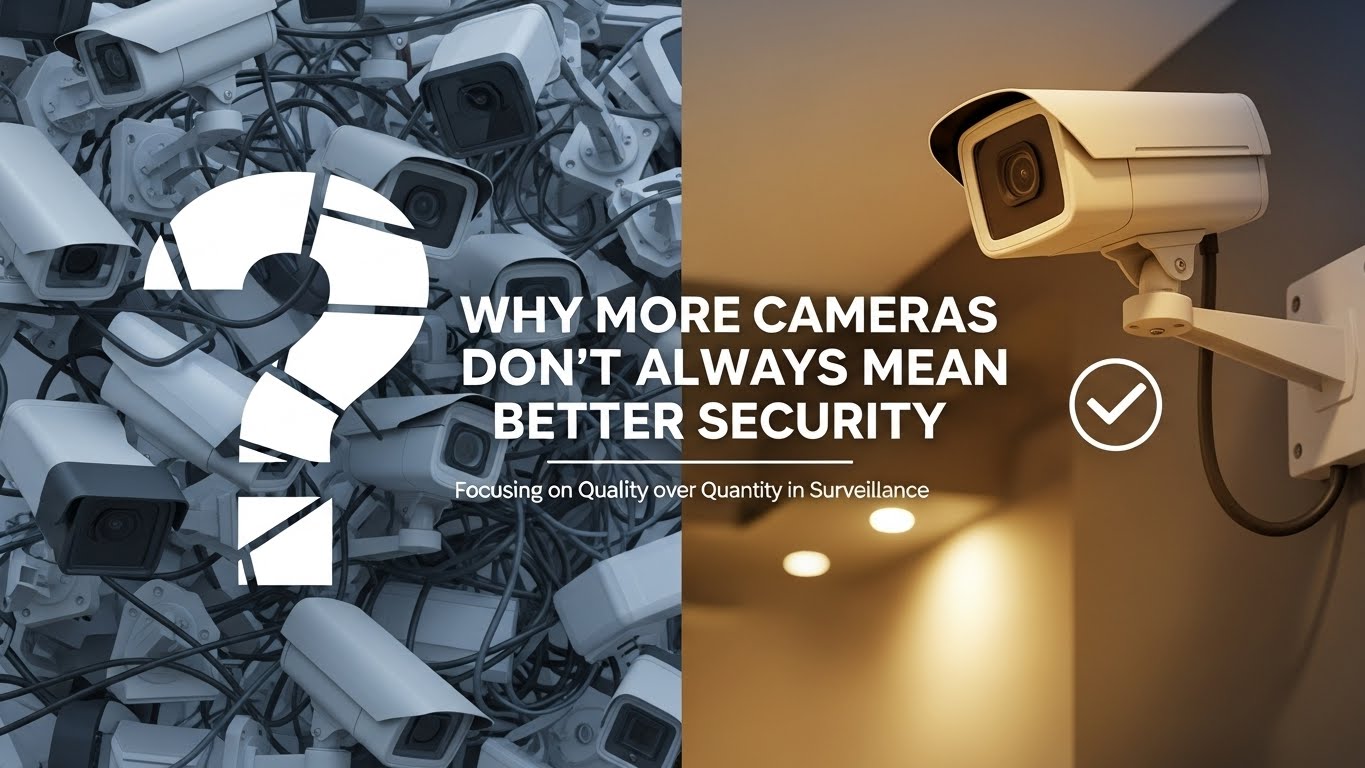
This is the Security Paradox: We buy more cameras to feel safer, but the more cameras we add, the more we overwhelm the person tasked with watching them.
Why “Recording” is Not “Protecting”
Most Nigerian businesses rely on their CCTV as a digital witness. They wait for a theft or a security breach to happen, and then they spend hours, sometimes days, combing through grainy footage to find the culprit.
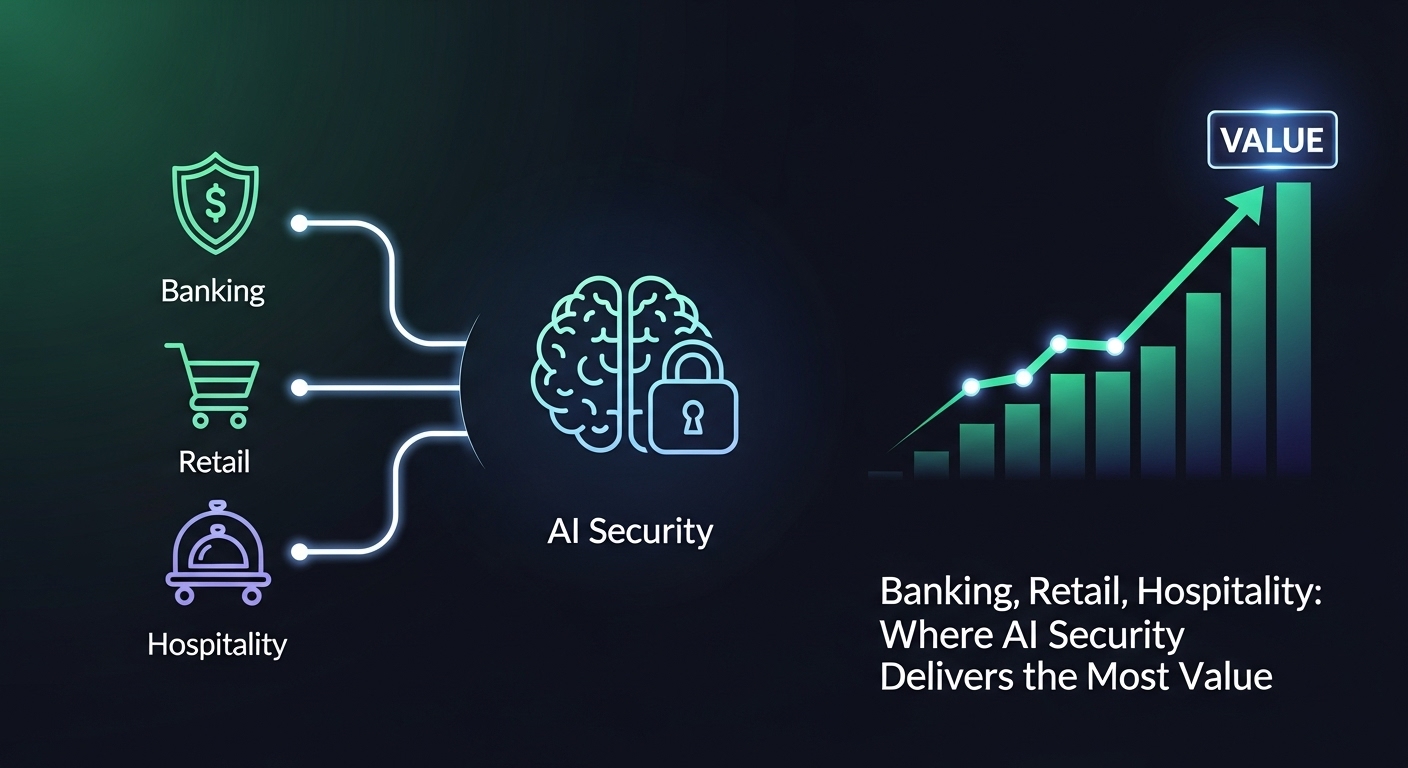
This is Reactive Security. It records your losses, but it doesn’t prevent them. In a high-stakes environment like a bank, a warehouse, or a retail outlet, waiting until the next morning to realize you’ve been robbed is a failure of the system.
Enter Sorveo: The Eye That Never Blinks
At Sorveo, we don’t replace your security team; we give them a “superpower.” Our AI layer integrates directly with your existing cameras to solve the problem of human fatigue:
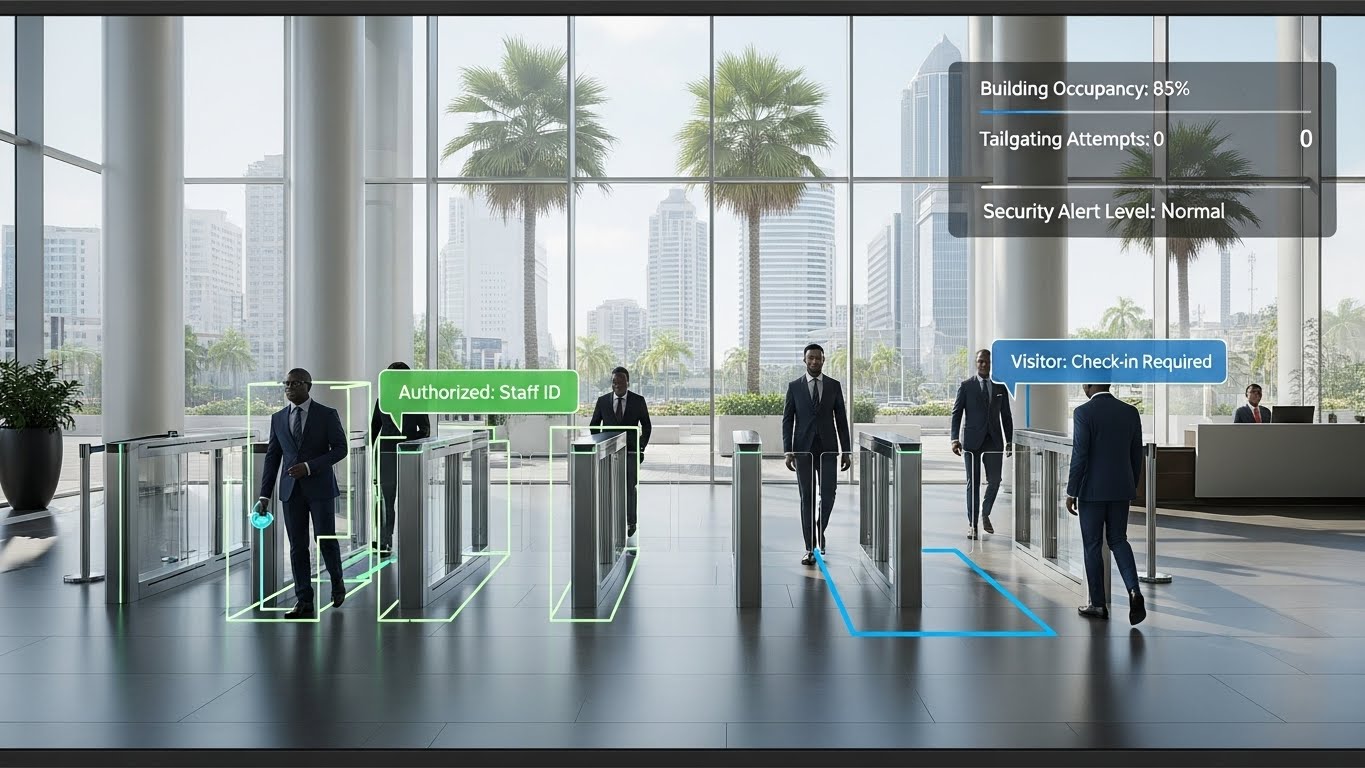
- Instant Detection: Our AI doesn’t get bored or tired. It scans every frame, every second, looking for specific anomalies, intruders, unauthorized access, or suspicious loitering.
- Smart Alerting: Instead of a guard staring at 32 screens, they can focus on their surroundings. When Sorveo detects a real threat, it sends an instant notification to their phone or dashboard.
- Filtered Intelligence: We eliminate the “noise.” Shadows, stray animals, and moving trees are ignored, ensuring that when an alert is triggered, it demands immediate action.
Moving to Proactive Intelligence
The future of security in Africa isn’t about more cameras; it’s about smarter cameras. By shifting from human-dependent monitoring to AI-assisted detection, you move from “finding out what happened” to “stopping it while it’s happening.”
Your security team is only as good as the tools they use. Don’t let a 20-minute biological limit be the weak link in your organization’s safety.