
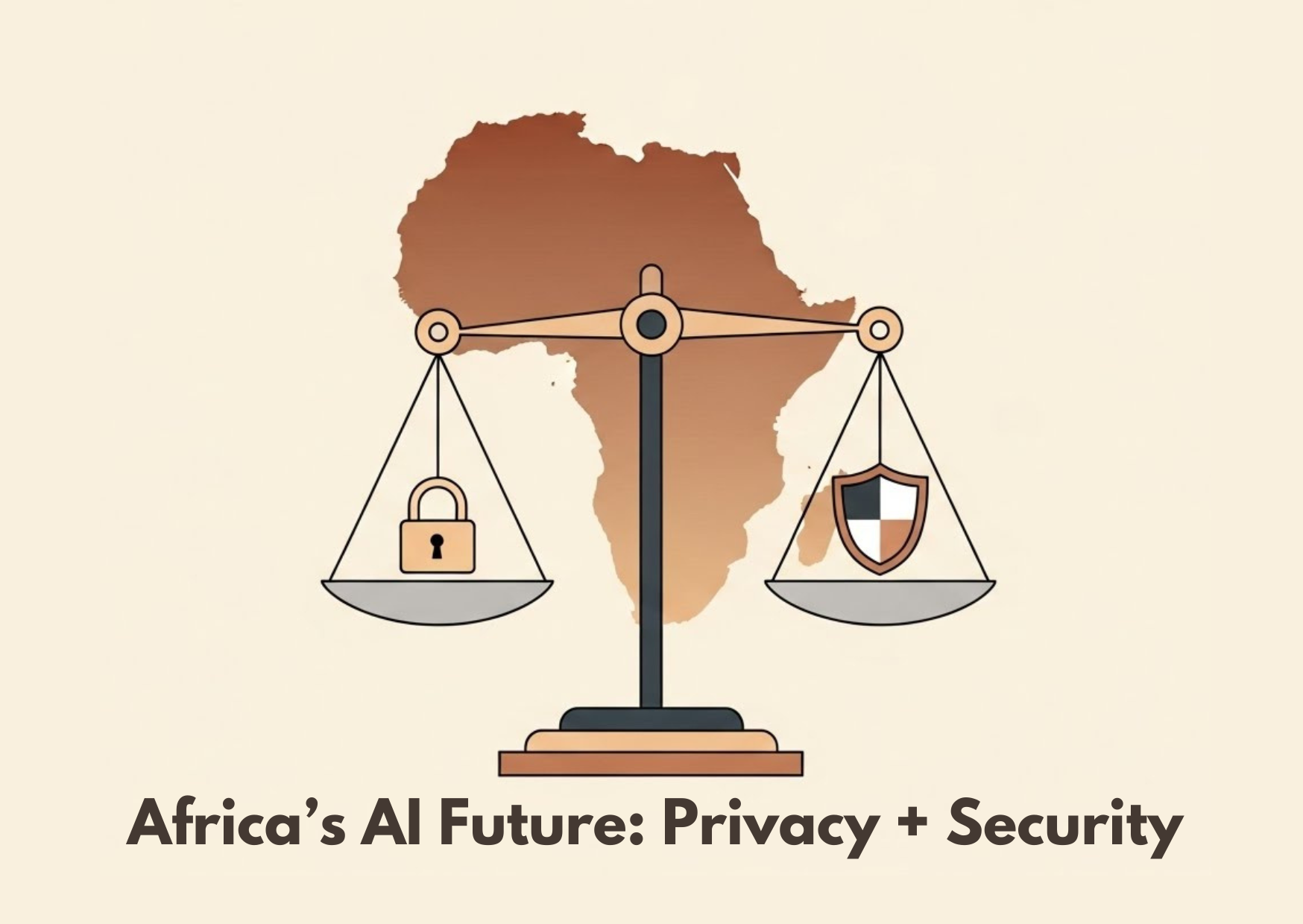
Balancing Privacy and Security: Lessons for Africa from Global AI Regulations
As artificial intelligence (AI) continues to weave itself into various aspects of life in Africa—be it in security, finance, or governance—the continent faces a crucial question: how can it leverage the benefits of AI while safeguarding citizens’ privacy and fundamental rights? Striking this balance is no small feat. Technologies such as biometric surveillance, facial recognition, and predictive analytics offer significant advantages for public safety and economic development. However, without solid regulations and accountability, they also open the door to misuse, discrimination, and excessive data collection.
Many African countries are still in the process of developing or refining their data protection laws, but there are valuable insights to be drawn from the global community. Regions like the European Union (EU), the United States, and parts of Asia have already experimented with regulatory frameworks that provide lessons for Africa—showing both what works and what pitfalls to avoid.
The EU’s approach, particularly through the General Data Protection Regulation (GDPR) and the recent EU AI Act, emphasizes the need for clear guidelines on the use of biometric and AI technologies. These frameworks grant citizens rights to transparency, consent, and explanation. Organizations deploying AI must justify the necessity of their systems, demonstrate that risks have been minimized, and offer avenues for individuals to seek recourse. The strict limitations on real-time facial recognition in public areas underscore a fundamental principle: beneficial technology should never come at the expense of individual rights.
For African countries, embracing this principle could help address serious concerns about unregulated surveillance. In various regions, governments and private entities are using cameras and biometric systems without clear limitations on data retention, sharing, or purpose. By looking at global standards, African regulators can establish stronger rules regarding the justification for AI usage, specifying who can use these systems, for what reasons, and how long data can be stored. Setting these safeguards early on ensures that innovation does not outpace accountability.
The U.S. offers another perspective. Instead of having a single, overarching law, it employs sector-specific regulations and city-level restrictions—especially concerning facial recognition. This fragmented approach has its pros and cons. On one hand, it allows local governments to tailor rules to their communities. On the other, the lack of a unified national framework sometimes results in inconsistent protections for citizens. African policymakers can learn from this by understanding that too much fragmentation—across states, agencies, or sectors—can erode public trust. Achieving a balance in regulation might involve establishing national standards, supported by specific guidelines adaptable to areas like banking, security, healthcare, and telecommunications.
Asia’s experience, particularly in countries like Singapore and South Korea, shows the value of combining innovation-friendly policies with strict accountability measures. These nations heavily invest in AI research, smart cities, and digital infrastructure, all while enforcing clear expectations around data minimization, audit rights, and mandatory impact assessments. This example illustrates that regulation doesn’t have to inhibit innovation. Instead, it can create a foundation of trust that fosters adoption, investment, and public acceptance. With its youthful population and burgeoning tech sector, Africa stands to gain significantly by adopting a similar dual focus on innovation and responsibility.
Another crucial takeaway from global experiences is the importance of public transparency. In areas where AI regulations thrive, governments actively communicate the objectives, capabilities, and limitations of AI initiatives. This openness is vital in Africa, where there is often skepticism surrounding surveillance and data usage. Public awareness campaigns, transparent reporting, and independent oversight bodies are key to preventing abuse and ensuring AI technologies serve the people rather than control them.
For Africa to find the right equilibrium between privacy and security, regulatory frameworks must reflect the continent’s unique realities. Factors such as diverse cultural norms, rapid urbanization, varying levels of resources, and a strong focus on community safety must be considered. AI systems implemented in Africa need to be locally trained, governed, and held accountable. While it’s beneficial to incorporate global principles, the actual implementation must resonate with African values, legal systems, and social dynamics.
Ultimately, Africa’s aim should not be to mimic Western or Asian models, but to cultivate a hybrid approach—one that embraces AI’s innovative potential while ensuring robust protections for its citizens. By learning from both global successes and failures, African nations can craft regulations that foster trust, protect privacy, and still enable AI to contribute to economic growth, secure urban environments, enhance banking integrity, and strengthen public institutions.